

‘Takikomigohan’, a Japanese dish of Rice that is cooked with other ingredients and seasonings, is my favourite thing to eat. It can be made with very simple ingredients. Today I used ‘Abura-age’ (Fried Thin Tofu), that can be substituted with Tofu Puffs, and a lot of Cabbage. And the Cabbage created the sweetness in the flavour.
Makes
4 Servings
Ingredients
2 cups (*180ml cup) Japanese Short Grain Rice
1 teaspoon Dashi Powder *I used Katsuo (Bonito) Dashi
2 tablespoons Soy Sauce
1 tablespoon Sake (Rice Wine) *optional
1 teaspoon grated Ginger
2 sheets ‘Abura-age’ (Fried Thin Tofu) *cut into small pieces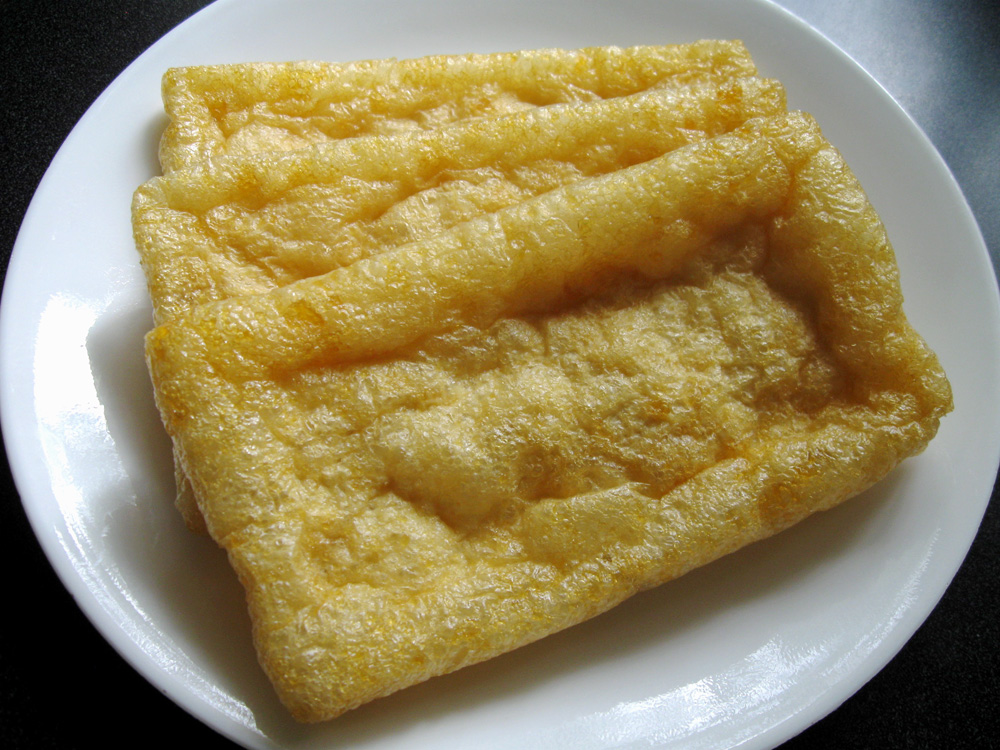
*Note: You can use 30-40g Tofu Puffs
250g Cabbage *juicy and sweet inner parts recommended
1 pinch Salt
Finely chopped Spring Onion *optional
Toasted Sesame Seeds *optional
Method
- Wash Rice and place in the rice cooker’s inner pot. Add Water up to the 2-cups marking, add Dashi Powder, Soy Sauce, Sake (Rice Wine) and Ginger, and gently stir.

- Cut ‘Abura-age’ into 1-2cm pieces, and scatter evenly, but DO NOT stir.

- Cut Cabbage into 1-2cm pieces, and scatter on top.

- Press ‘COOK’ button to start cooking. When the rice is cooked, sprinkle with 1 pinch Salt over the Cabbage, and let it steamed for 10 minutes. Then mix gently.

- Add some finely chopped Spring Onion and Toasted Sesame Seeds, and enjoy.
Comments
Vanessa
20/03/2026
Dear Hiroko,
this is a recipe I’ve had high expectations for but unfortunately had a bit of a challenge with. Maybe you have some advice? I have a simple rice cooker with (relatively) basic settings such as Standard/White/Brown/Sushi/Steam/Crispy/Baking/Congee and no extra time settings, which has made me a bit hesitant to try one-pot dishes before. I was confused which setting to choose when I came across the “Press ‘COOK’ button to start cooking.” within the recipe. I’ve dabbled with the thought of using the ‘Standard’ option but ultimately decided to use ‘Sushi’ because one of the contents was indeed sushi rice. After the cooking time has concluded, I opened the lid to salt the cabbage before choosing the steaming-option. I figured that the contents looked a little dry. After steaming, I figured that that contents haven’t really changed much. After emptying the pot I also realised that a thin brown layer was stuck (almost caramelised) on the bottom of the pot. While eating, I noticed that the rice was well cooked, that some of the aburaage was crispy, the cabbage felt slightly undercooked and the flavours weren’t really there.
I assume that my rice cooker setting was off, but I also wonder if adding more water or completely dissolving the dashi powder in warm water might have made an actual change. I’m fully aware, that a remote diagnosis is hard to give advice on, but maybe you have a hunch, since you have so much experience. I would love to hear back from you!
Best, Vanessa
Hiroko
20/03/2026
Hi Vanessa. I always use Standard/White Rice setting to cook Takikomigohan like this one. Rice for sushi should be firmly cooked, so water might be slightly less OR it is cooked rather quickly, though I am not sure. After cooking process is finished, you don’t need to heat by steaming function as it naturally steams by remaining heat. I hope you will find the right setting for your rice cooker. Once you did, everything will become easy.